
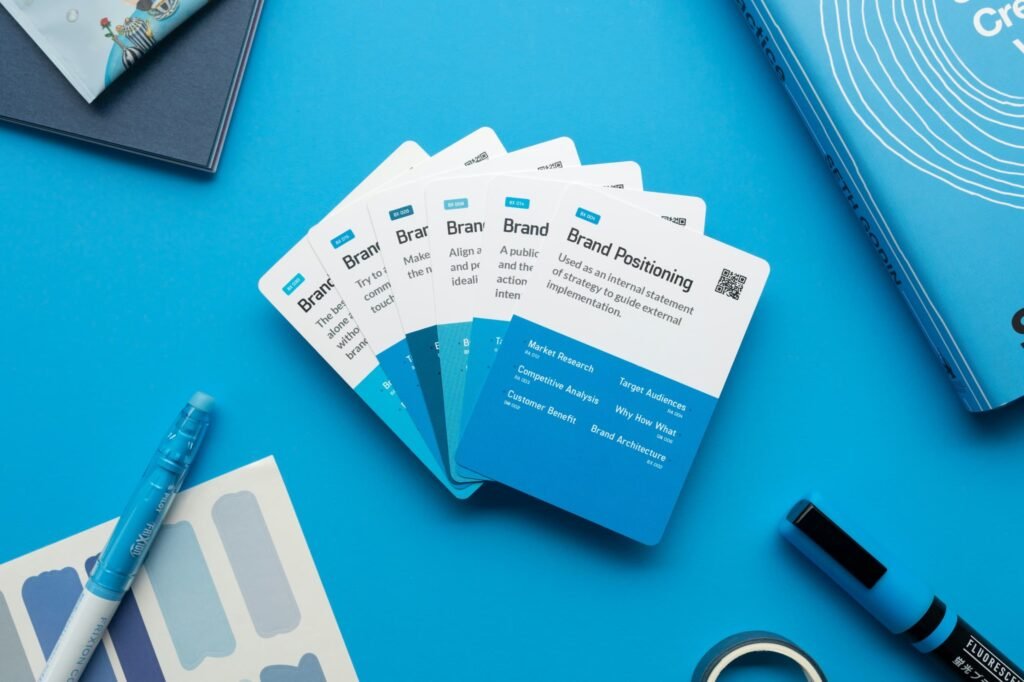
Understanding Brand Positioning
Brand positioning is a fundamental strategy that delineates how a company differentiates itself from its competitors to occupy a distinct place in the minds of its target audience. The essence of brand positioning lies in the creation of a unique identity, which not only highlights a brand’s unique selling proposition (USP) but also resonates with the emotional and psychological drivers of consumer behavior. In today’s fast-paced and competitive market, effective brand positioning is crucial as it fosters brand loyalty and influences purchasing decisions.
To successfully position a brand, a business must first understand its target audience—their needs, desires, and pain points. Conducting thorough market research can yield valuable insights, enabling a brand to create tailored messaging that effectively engages potential customers. A defined target audience allows for precise marketing strategies that communicate the brand’s value proposition clearly and compellingly. The identification of specific consumer segments facilitates focused marketing efforts, which are essential in a saturated market.
Moreover, the psychological aspects of brand perception cannot be overlooked. Consumers’ choices are influenced not only by the tangible attributes of a product or service but also by their emotional connections with the brand. Factors such as brand storytelling, visual identity, and customer experiences contribute to how consumers perceive a brand. By cultivating a positive brand image and consistently delivering on promised value, businesses can enhance consumer trust and loyalty, encouraging repeat purchases and brand advocacy.
In summary, understanding brand positioning involves defining a unique market presence, identifying the target audience, and tapping into psychological factors that influence consumer behavior. Businesses that can adeptly navigate these areas are more likely to stand out in a crowded marketplace and achieve sustained success.
Identifying Your Unique Value Proposition
In the landscape of modern business, a compelling Unique Value Proposition (UVP) stands pivotal in distinguishing a brand from its competitors. Developing an effective UVP starts with deep competitive analysis, where businesses systematically assess their rivals to identify what they offer and how they position themselves among consumers. This analysis goes beyond simply listing competitors; it involves examining their strengths, weaknesses, product offerings, pricing strategies, and customer feedback. By gathering this intelligence, brands can identify opportunities to differentiate themselves and carve a unique niche within a saturated market.
Understanding customer needs is another critical component in formulating a robust UVP. Engaging with consumers through surveys, focus groups, or social media interactions aid brands in gaining insights into what their target audience values. This understanding enables businesses to tailor their offerings to meet specific desires and pain points, thereby establishing a connection that resonates on an emotional level. Recognizing gaps in the market is vital, as brands that address unmet needs stand a greater chance of capturing consumer attention and loyalty.
Storytelling emerges as an essential tool for articulating a brand’s unique value proposition effectively. Crafting a narrative that communicates the brand’s mission, values, and the distinct benefits of its products or services will help create an emotional bond with customers. A compelling story not only sets a brand apart but also invites customers into its journey, allowing them to relate to the brand on multiple levels. By weaving storytelling into marketing efforts, brands can amplify their UVP and foster a community of loyal consumers who appreciate the brand’s identity and vision.
Effective Strategies for Brand Positioning
In today’s competitive landscape, effective brand positioning is essential for businesses seeking differentiation in a saturated market. One key strategy is leveraging social media platforms to engage potential customers and showcase the brand’s unique value proposition. By offering targeted content and actively participating in conversations relevant to their industry, brands can enhance their visibility and foster strong connections with their audience. Social media not only facilitates direct interaction but also serves as a valuable tool for gathering insights about customer preferences and behaviors.
Content marketing is another powerful approach for establishing brand positioning. Creating high-quality, informative content that addresses customer pain points can position a brand as a thought leader in its field. Blogs, eBooks, webinars, and case studies are examples of content that can effectively communicate the brand’s expertise and commitment to solving customer challenges. By focusing on providing value rather than overtly promoting products, brands can build trust and encourage customer loyalty over time.
Collaborating with influencers can also significantly impact brand positioning. Selecting influencers whose values align with the brand’s mission amplifies credibility and expands reach. These collaborations can take many forms, from sponsored posts to co-created content, effectively spreading the brand’s message through trusted voices. This strategy not only captures the attention of the influencer’s followers but also reinforces the brand’s identity within an authentic context.
Moreover, maintaining consistency in messaging across all communication channels is crucial. Whether through websites, social media, or email campaigns, a uniform message helps establish brand recognition and makes it easier for consumers to identify with the brand. By ensuring coherence in tone, visuals, and overall messaging, businesses can better solidify their position in the marketplace, making them more memorable to their target audience.
Measurement and Adaptation: Staying Relevant
In a constantly changing business environment, the effectiveness of brand positioning must be measured and adapted to stay relevant. Successful brands understand that periodic assessment of their positioning strategies is essential for maintaining a competitive edge. Key performance indicators (KPIs) serve as a valuable tool in this process, helping businesses gauge success and identify areas for improvement.
One of the essential KPIs for measuring brand positioning effectiveness is customer feedback. By utilizing surveys, feedback forms, and social media insights, businesses can gather valuable input from their target audience regarding their perception of the brand. This qualitative data not only highlights strengths but also uncovers weaknesses in brand positioning that may need to be addressed. Moreover, tracking customer sentiment over time can reveal trends and shifts in preferences, indicating necessary adaptations to marketing strategies.
Another important aspect to consider is market trends. Analyzing shifts in consumer behavior, competitor activities, and emerging industry standards plays a crucial role in shaping positioning strategies. Utilizing market research tools and analytics software can provide insights into these trends, ultimately informing necessary adjustments in tactics. For example, if a brand notices a growing preference for sustainability, adapting the brand’s messaging to reflect eco-friendly values may enhance its resonance with consumers.
Continuous evaluation is vital for brands to remain agile in an ever-evolving marketplace. This requires companies to foster a culture of adaptability, where they regularly revisit their brand positioning to align with current consumer expectations and market dynamics. By proactively monitoring both internal performance and external conditions, brands can pivot their strategies, ensuring they remain relevant and effectively engage their audience. Ultimately, a well-rounded approach that blends measurement and adaptation is key to long-term brand success.

